The 1990s and 2000s were a weird time for film photography and film cameras. Digital was starting to arrive as a medium, and often the first digital cameras were adapted from film cameras. But there was also a push to chase nostalgia, and several companies put out what can only be described as premium options. Sure, you have the standard names like Canon, Nikon, Olympus, and Minolta. However, the biggest player in this push for premium is Kyocera. Kyocera had come in, purchased a couple of historic brands, Yashica and Contax, and began producing cameras and slapping these names on them. Kyocera produced cameras from the low end to the high end and even came up with some clever models. The most interesting of these cameras is the Contax G line, which includes the autofocus ‘rangefinders’, the original G1 model, and then the improved Contax G2. The Contax G2 is the only ‘premium’ camera model I picked up, mainly because it was long before these models commanded a higher-than-average price.

I cannot recall where I first heard about the Contax G2, but based on when I got the camera, I probably learned about it from the Film Photography Podcast and was building a collection of cameras and figuring things out. I went onto the B&H site and found a beautiful example of the camera with the Zeiss Biogon 28mm f/2.8 lens for a reasonable price. Again, this was before all these cameras commanded a far higher price. The first roll I ran through it was my last roll of Kodachrome 64, which I promptly mailed off for processing to make the deadline before the K14 process went away for good. While I waited for that first roll to come back, I used the camera several more times, then went on the hunt for the other lenses. I knew that I wasn’t going to get the zoom lens that was released, but I did want the Zeiss Planar 45mm f/2 and the 90mm lenses. The 45mm was easy to find. I can’t remember if I got it through B&H or KEH. It was the 90mm that proved hard to find, and I never did get my hands on one before selling the camera.


The Contax G2 was important for a couple of reasons. The first being that it helped get me out of my usual rut of 35mm SLRs, it provided a different experience, and the camera that I could not have afforded before, and certainly would not spend the money on today. But the biggest reason this camera is important to me is not the hardware, where it came from, or who it was from; rather, it is where the camera went. The Contax G2 was the camera that came along on my epic three-week tour of Europe in 2015. The G2 offered a compact 35mm camera with different lenses that easily fit in the bags I had, both the dedicated camera bag and the haversack I carried while reenacting the Battle of Waterloo for the 200th anniversary. And that camera did a fantastic job capturing Europe, from Amsterdam to Vimy and back again. And after that, the camera became more of a sporadic user, until I eventually picked it up one day, then went, nah, and put it down. I took it the next week to Burlington Camera, sold it, and it went to another photographer who was excited to use the kit.
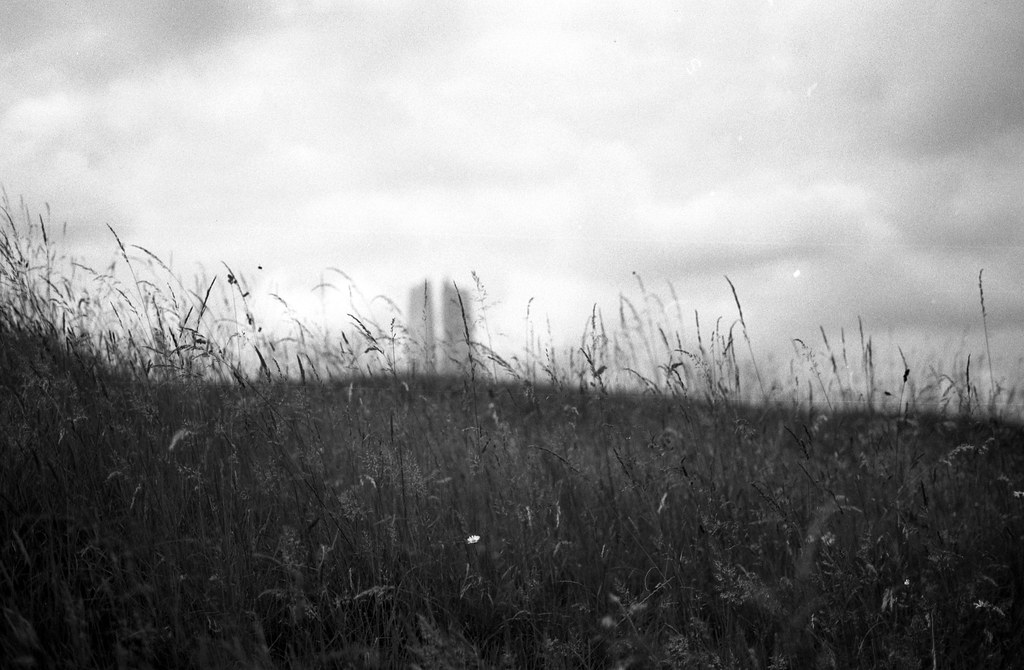


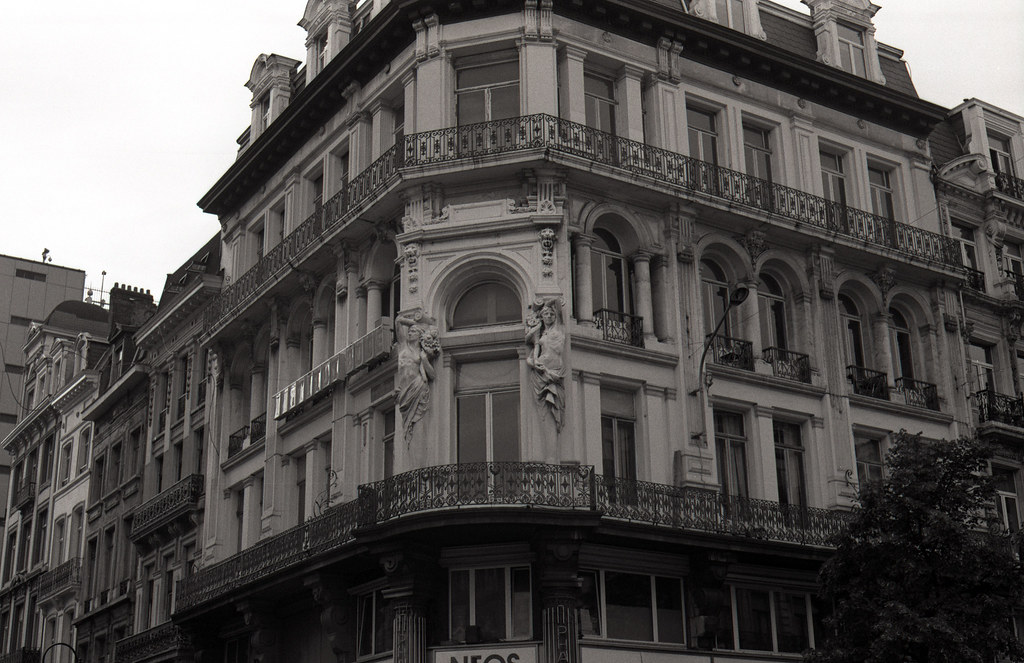
The Contax G2 helped break me out of the rut of using straight-up SLRs and TLRs, and a good 35mm rangefinder camera was a perfectly acceptable offering. But it also helped me learn how to compose when I can’t see what the lens sees. And the frame lines were basic at best, so I really had to work hard to make sure my composition was correct, and I didn’t always nail it. The most significant area where I saw the trouble was when exploring abandoned buildings; the G2 was not the best choice, but it was a new-to-me camera at the time. The G2 wasn’t my kind of camera, but it was fun to use for a while. While I do regret not bringing a medium-format camera to Europe, the photos I got back from the G2, despite some problems, are stunning, and I always go back to them again and again.
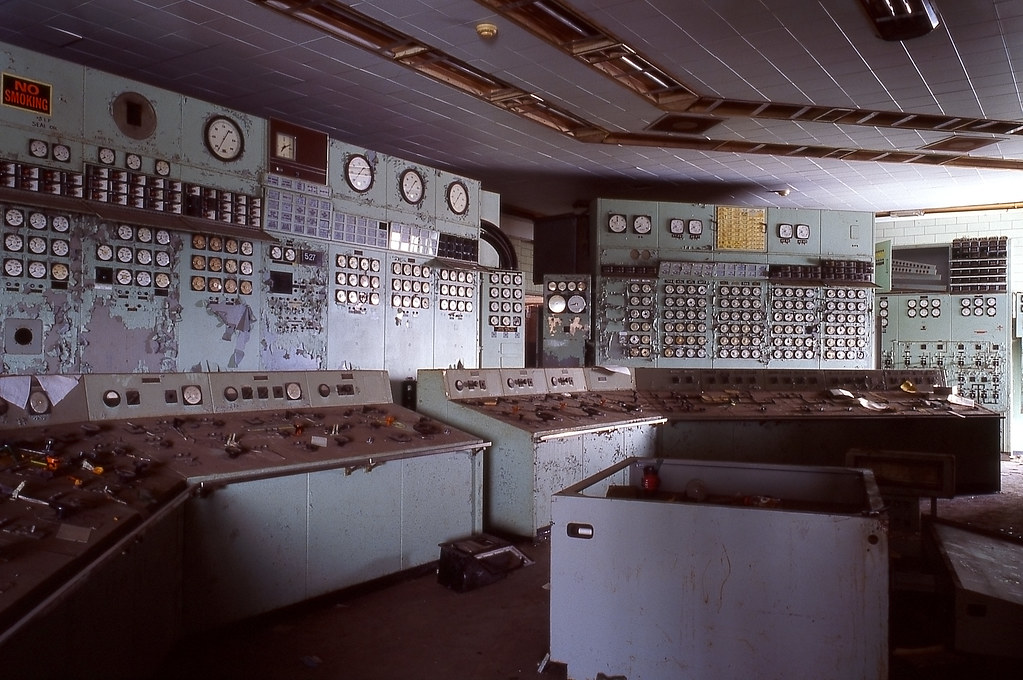
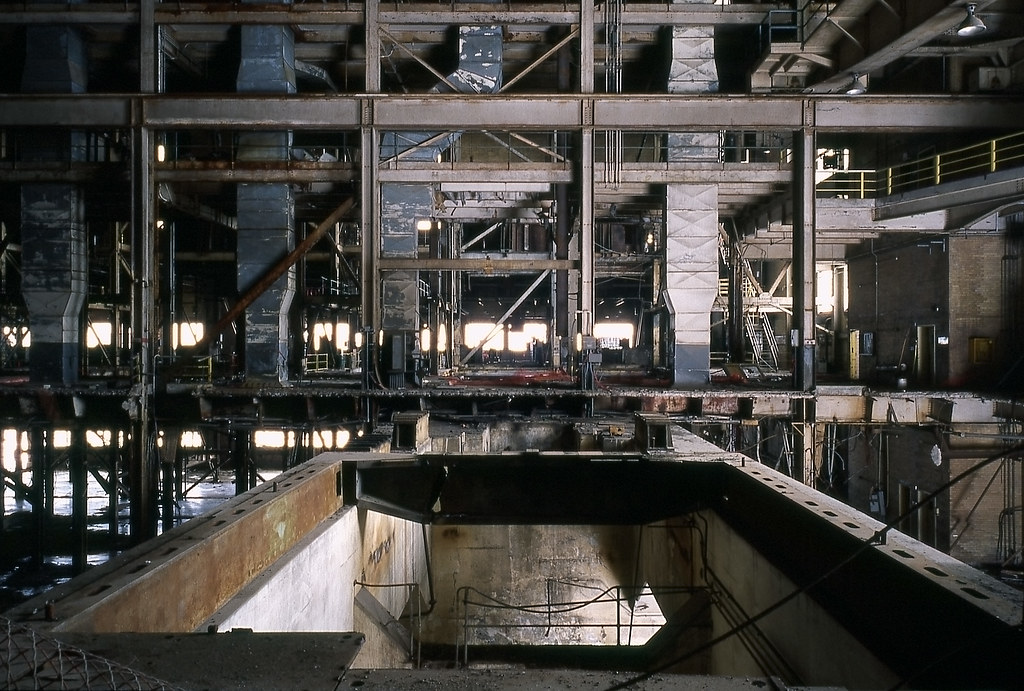

Before we get going, the Contax G2 is a significant improvement over the original Contax G1. As a camera, the G2 was not light; it had a lot of heft, but it was well-made and well laid out. The controls were easy to use, and the camera functioned fine. The best part of G2 is the lenses; while they say ‘Carl Zeiss, ‘ they aren’t actually made by Zeiss, somewhat under license, but they perform like the legendary name attached. But by the end, the problems with the G2 were becoming more annoying. You see, the G2 was a rangefinder camera as long as it was set to autofocus. Once you turned that off, then it was nothing more than a glorified guess-focus camera. Even with autofocus on, it often hunted for focus in some situations. Exposure was decent in normal light, but under challenging conditions, it struggled. But my two most significant issues were that the control surfaces were easy to change when putting the camera into and out of the bag, mainly the EV adjustment, and second, the camera did eat batteries, and it took dedicated camera batteries.


There are many cameras I regret parting with; the Contax G2 is one I don’t. While I still see them around, I don’t suddenly have the urge to get one again. I also have no desire to borrow one to make a review video, which is saying a lot. If I do have one regret with the G2, it is not getting that 90mm lens and giving up so easily to tracking one down. I would have liked to have had the complete kit for one period, even if I got a black-finish copy, which would have looked weird. If you are looking for something a little bit rangefinder, a little bit premium point-and-shoot, give the G2 a try. They’re not bad cameras, they’re just a bit annoying.
I like the Kodachrome slides that you scanned. What a distinctive look and color pallette.