It’s hard to believe that I have been writing camera reviews for ten years now! I also can’t believe that I’ve been able to continue to write camera reviews for ten years. Of course I have slowed down on the number of reviews a year since I started in 2015 but it has also made this series far more sustainable. As of this posting I have published 171 reviews, I made it to the 100th only four years, mostly because I published about twenty five per year on average. I only started to slow down after I introduced additional reviews into the mix (films followed by lenses and developers). The biggest change however has been ensuring I use more than one roll of film in each review, aiming to have a minimum of two rolls. The main reason being that you can’t fully grasp what a camera can do in a single roll but also because it gives room for error and figuring out how to use each camera. It also helps give a more well rounded review and the addition of adding a video review means that I can speak about the camera with confidence rather than an initial gut reaction. Also since I’ve started I’ve radically changed how I write these reviews and I do mean write, no generative AI goes into producing any of my content. But this post isn’t about how I create these reviews, you can read that one here, but rather to look back at the ten years and pick up some of my favourites, least favourites, unique cameras, and the ones I want to give another go at.
My Favourite Cameras I’ve Reviewed
Now I could make this easy on myself and list the cameras that I have reviewed and then kept in regular circulation. But to give myself an extra push, these cameras are ones that I borrowed from fellow photographers for a review and found that they are good camera systems. In some cases I have gone back and borrowed the camera again for another review or to redo a previous review. But I don’t actually own the camera.
Pentax 67II – The 67II is a dangerous camera for me, because everytime I borrow and use it I want the camera, but not just the camera but an entire system around it with multiple lenses. But these cameras are not cheap, nor are they small. The 67II is the perfect step-up from a 35mm SLR user because it is that, a super-sized SLR that shoots 120/220 in 6×7 format. Plus the lenses are spectacular! I’m sure that one day I’ll be able to fufill my wish and get a 6×7 camera into my toolkit, it may not be a Pentax, but you know, the format is growing on me.

Sony a6000 – Sony E PZ 16-50mm 1:3.5-5.6 OSS
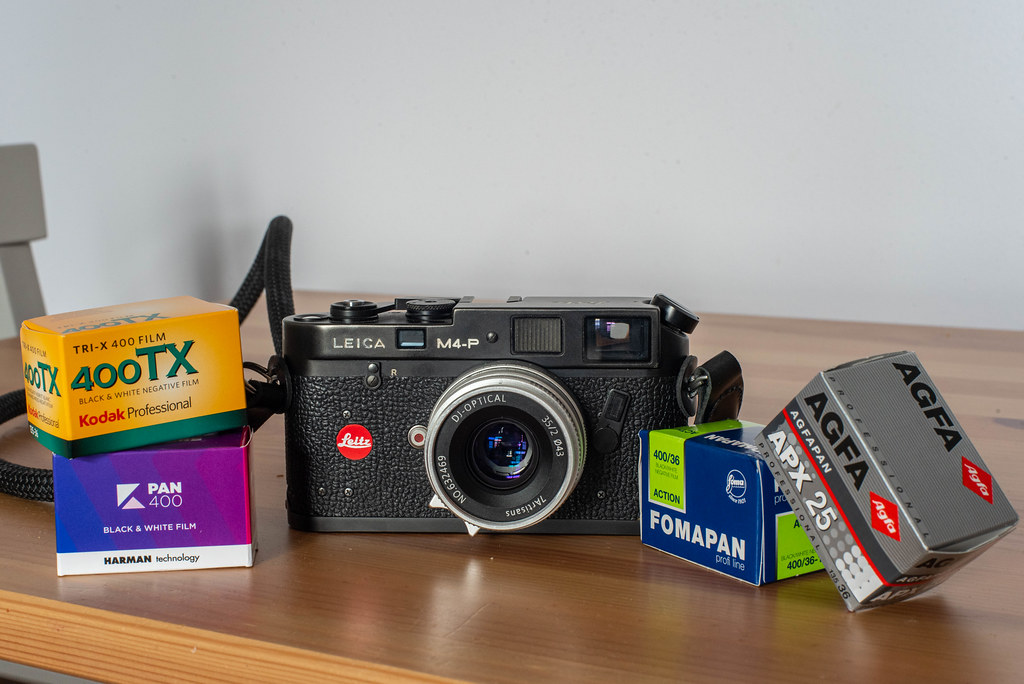
Leitz Leica M4-P – I’m not one for rangefinders, but I’ll make an exception for the Leica M4-P. It honestly is a brilliant machine that takes the classic M-Series rangefinder and updates it, plus it’s made in Canada. The M4-P is technically the third version of the M4 that builds on the improvements to the M4-2 (the camera that saved Leica M-Cameras). And if I were to ever get a Leica it would be an M4-P with three Canadian made Letiz lenses (28, 50, and 90).
Nikon D750 – AF Nikkor 50mm 1:1.4D
New Mamiya 6 – Another dangerous one for me, the New Mamiya 6 a 6×6 rangefinder that also has a meter! I had a lot of fun with this camera and never realised that I actually do like rangefinders, at least when it comes to medium format rangefinders. Again like the 67II the price keeps it out of my toolkit but it’s still a favourite.

Nikon D750 + AF Nikkor 50mm 1:1.4D
Cameras that got Added through Reviews
These are cameras that I originally got for a review and ended up keeping them around and in some cases building a system around. Often I would have to get rid of another system to make room for these which is okay because I do enjoy working with different camera systems.
Canon EOS Elan 7 – After my Elan IIe started to go a bit wonky, I needed a replacement so I could have something modern. Well enter the Elan 7, this is the next model up from the II with better specs and a better build quality. It certainly it a popular choice when I want to pick from a smaller set of lenses and need a more compact system.

Nikon D750 – AF Nikkor 50mm 1:1.4D
Asahi Pentax MX – This camera makes the OM-1 and FM look small in comparision. Now I had an exsisting set of lenses for the Pentax K-Mount, but the MX dropped onto my desk fully equiped with some additional focal lengths that I was missing. While it is a little beat up it still is a fun tiny camera that will give me a few years of life.

Nikon D750 – AF Nikkor 50mm 1:1.4D
Nikon Nikkormat FT2 – Like the MX, the FT2 hit my toolkit having an existing system of lenses. This was a gift from my good friend Bill Smith, and it is the mechanical Nikon that stuck in my collection. I have a bit of a weird thing with mechanical cameras, but the FT2 is the one that is going to stick around.

Nikon D750 – AF Nikkor 50mm 1:1.4D
My Least Favourite Cameras I’ve Reviewed
When it comes to reviewing cameras not all of them have been shining stars, some are rather middle-ground and others are downright dogs. Now does make these cameras bad, it does depend. I’m sure there are people out there who love and use these cameras with excellent results. But like any review, a lot does depend on the copy and the personal opinion. But these are my least favourite cameras I’ve reviews so far.
Shanghai Seagull 4A-103 – I’m not knocking the Seagull (too much), but the copy I had to review was a bad copy. Now I normally get a long with most TLRs, even ones with a bit of a sour reputation for me (looking at you Diacord or DOAcord). But the Seagull had some serious issues and it came down mostly to focusing. There was something seriously wrong with this camera in terms of alignment or something. Even with the camera stopped down my images were out of focus. Other people seem to like these, but the Seagull is not a favourite.

Sony a6000 + Sony E PZ 16-50mm 1:3.5-5.6 OSS
Kyocera Yashica 108 Multiprogram – While I could also rate the Yashica FR-1 in this spot, in that cameras case a was not using it properly. But the 108 is a dog of a camera, it’s heavy plastic, bulky and doesn’t live up to what I would expect from a camera. It also didn’t do things that you might expect it to be able to do, such as autofocus, it also lacked a lot of manual functionality and required DX coded film. And even though it says it defaults to ASA-100 for non-DX coded film, it never works right. It’s one of those cameras that if I found one with a Zeiss C/Y lens on it, I’d keep the lens, and ditch the camera.

Sony a6000 + KMZ Helios 44-2 2/58
Kodak Retina Reflex III – There are certain Kodak cameras that while excellent are also over-engineers. You have to both love and hate the German branch of Kodak. Among them is the Kodak Retina Reflex III. This is Kodak’s attempt at an interchangeable lens SLR and while it produced excellent images, it took a lot of work to get it working. It jammed a few times and it took a lot to get through the roll mostly because of that over-engineered nature it took a lot to get in unjammed. Yeah, not a favourite.

Sony a6000 + AI-S Nikkor 105mm 1:2.5
The Cameras that Surprised me the most
The cameras that I include here are ones that I didn’t have the highest hopes for, because of either a format or the reputation that the camera had already. But over the course of the reviews the cameras showed off that they weren’t as bad as they had been presented in the past. It just shows that you cannot always judge a camera by its reputation.
RETO Kodak Ektar H35N – I had avoided half-frame cameras like the plague for almost the entire ten years until the H35N dropped into my lap. And you know, I had a lot more fun with it than I was expecting. And also the image quality out of the camera was far better than what I expected from a glass/plastic lens. I also have to thank Mike for giving me the idea to work with diptychs and triptychs to make shooting double the number of frames more manageable. And taking out 24 (48) exposure rolls rather than 36 (72) rolls.

Nikon D750 – AF Nikkor 50mm 1:1.4D
ЛОМО Смена Символ (LOMO Smena Symbol) – Now I did not have a good time with the earlier iteration of the camera, the Smena 8m, but the Smena Symbol fixed a lot of the problems I had with the 8m. Plus it has a delightful lens and is actually rather fun to use. I’m glad I got a chance to use this beauty before passing it along to another fan of Soviet era cameras.

Nikon D750 – AF Nikkor 50mm 1:1.4D
Miranda Sensorex – Sensorex’s don’t have a stellar reputation when it comes to build quality. But colour me surprised when the copy that I got from my good friend Jim Grey not only worked but the battery still had juice in it. Plus the image quality I got out of the camera also impressed me to know end! While I had another category in mind for this camera, it certainly surprised me that it was better than I expected.

Nikon D750 – AF Nikkor 50mm 1:1.4D
The most Unique Cameras I’ve Reviewed
There are a lot of cameras out there that are similar to each other and while all cameras work in the same way (light-tight box, shutter, and medium), there are some that I’ve reviewed that stand out and unique. Usually in form, format, or size, these cameras have stood out over the past ten years.
Mamiya Universal – All the versatlity of a roll film camera with all the frustrations of a 4×5 press camera. The Mamiya Universal is certainly unique in the sense that it can be adapted in any number of ways, the use of roll film (120/220) in all different frame sizes and some amazing optics. But also being able to use sheet film (2×3) and Type-100 pack film at the same time. Plus the lenses for the camera are excellent with a solid rangefinder.

Sony a6000 + Sony E PZ 16-50mm 1:3.5-5.6 OSS
Lomography Horizon Kompact – You can’t beat a swing-lens panoramic camera. I bought the Horizon Kompakt on a whim and it took me a while to figure out how to use the camera. The biggest issue I had was the way you loaded film. But once I hit the groove the results were stunning. Sadly the camera did not survive a move and ended up breaking. I do want to get my hands on something similar with a bit more control but these cameras are not cheap on the used market.

Sony a6000 + KMZ Helios-44-2 2/58
Pentax MZ-S – What makes the MZ-S so unique is that it is one of the few professional offerings from Pentax. While there are lots of photographers who use Pentax cameras in a professional environment, as a company, Asahi/Pentax/Ricoh never had many cameras marketed at that demographic. But when it comes to the MZ-S I found that it could easily stand up to my other two pro bodies the F5 and Maxxum 9. And it does it all with a style of camera that stands out from the crowd.

Nikon D750 – AF Micro-Nikkor 60mm 1:2.8
The Most Historical Cameras I’ve Reviewed
In addition to being a camera nerd I’m also a history nerd. And if you’ve read or watched any camera reviews you’ll know that I always include a background of the cameras. Nothing exists in a vacuum and these blurbs (long and short) give context to the cameras. And even the most modern cameras have something in their background that can explain why a camera is the way it is. But some cameras have a bit more interesting history than others.
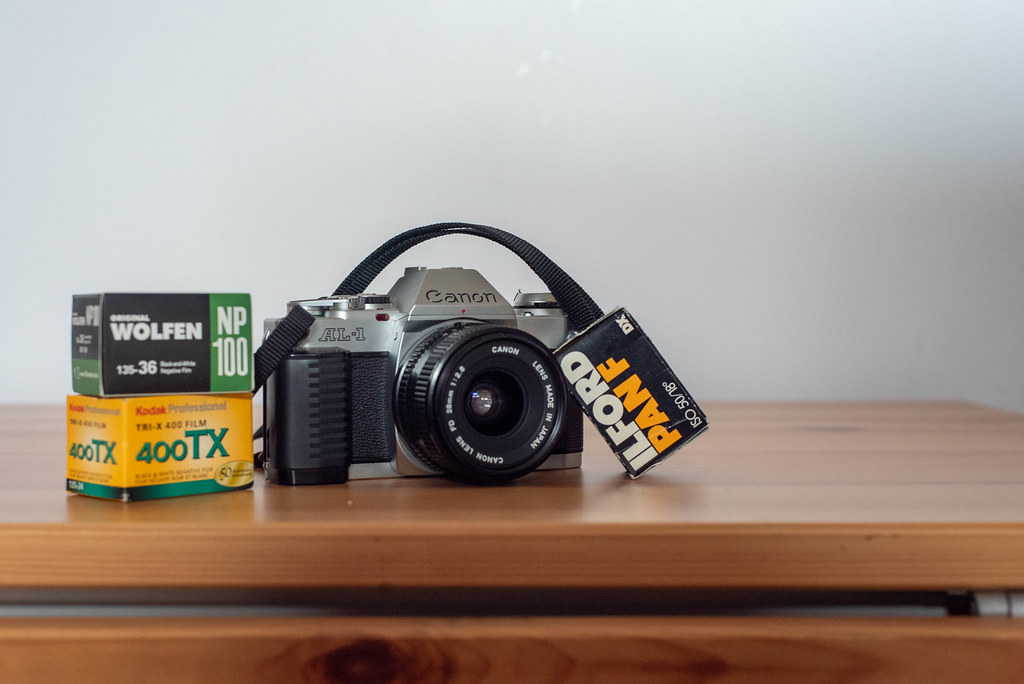
Canon AL-1 – It is hard to put a finger on which Canon camera to include in this section, in fact, my collection of Canon’s is why I have this section in the first place. I could have included the AE-1, EOS 650, or even the Elan 7. But ultimately I have to go with the Canon AL-1. The AL-1 was the camera that changed the game and set Canon on the course of releasing an autofocus camera. Yes the process was slow with the AL-1 to the T80 and finally the EOS650 but the result was a system that has changed little.
Nikon D750 + AF Nikkor 50mm 1:1.4D
Minolta Maxxum 7000 – Like the camera above, the Maxxum 7000 is the first commercially successful autofocus SLR on the market. While not the first autofocus SLR it was the one that changed the game. Sadly these days the cameras are starting to get old, mine ended up going up in smoke, which ended up with me getting the Maxxum 9. But I am glad I had the chance to try out this historical camera.

Sony a6000 – Sony E PZ 16-50mm 1:3.5-5.6 OSS
KMZ Zenit E – What makes the Zenit E historical is the fact that so many of these cameras were made and by multiple factories. In fact, the E is the most numerous cameras ever produced. Now I don’t get out with mine that often, but I have been building up a small lens kit so I’m not just stuck with the Helios. What I also like is that my copy has the name in Cyrillic text rather than in regular Roman script.

Sony a6000 + AI-S Nikkor 105mm 1:2.5
The Best Looking Cameras I’ve Reviewed
Some cameras look good and have the performance to match, but others just look good. These are the cameras that the design stand out to me and certainly will draw the eye whenever I was using them. And sure there are many cameras I could fit into the category these are the ones that stand out. But there are some other honourable mentions here including the iconic Nikon F3 and F4 and the Rolleiflex/Rolleicord TLRs.
Kyocera Contax G2 – No matter what you say, the G2 is a fine looking camera it is peek 1990s premium 35mm offering. But on top of that it has the performance to match, with excellent lenses and exposure although the autofocus and lack of real manual focus support are drawbacks. While I have since gotten rid of my G2 I don’t regret letting it go, it served its purpose, but I was no longer getting any real joy out of using it.

Sony a6000 + Sony E PZ 16-50mm 1:3.5-5.6 OSS
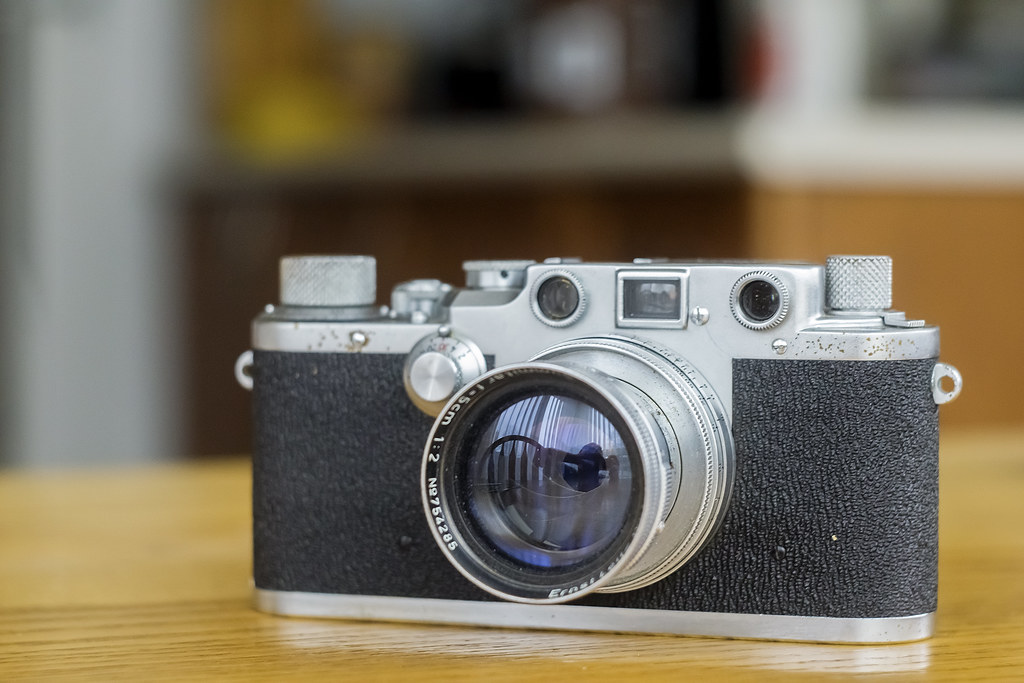
Leitz Leica IIIc – While the Leica M-Cameras are iconic, the Barnack Leica’s are equally iconic and I do like the look of the cameras, despite being frustrating to use. There’s a certain early 20th century charm to the camera and the fact that Leitz maintained almost the same design from the earliest models (celebrated 100 years in 2024) so that if you picked up the last IIIg and one of the early II models the use of them is identical. Sure I don’t have them anymore nor would I want one, but they do look nice.
Sony a6000 + KMZ Helios-44-2 2/58
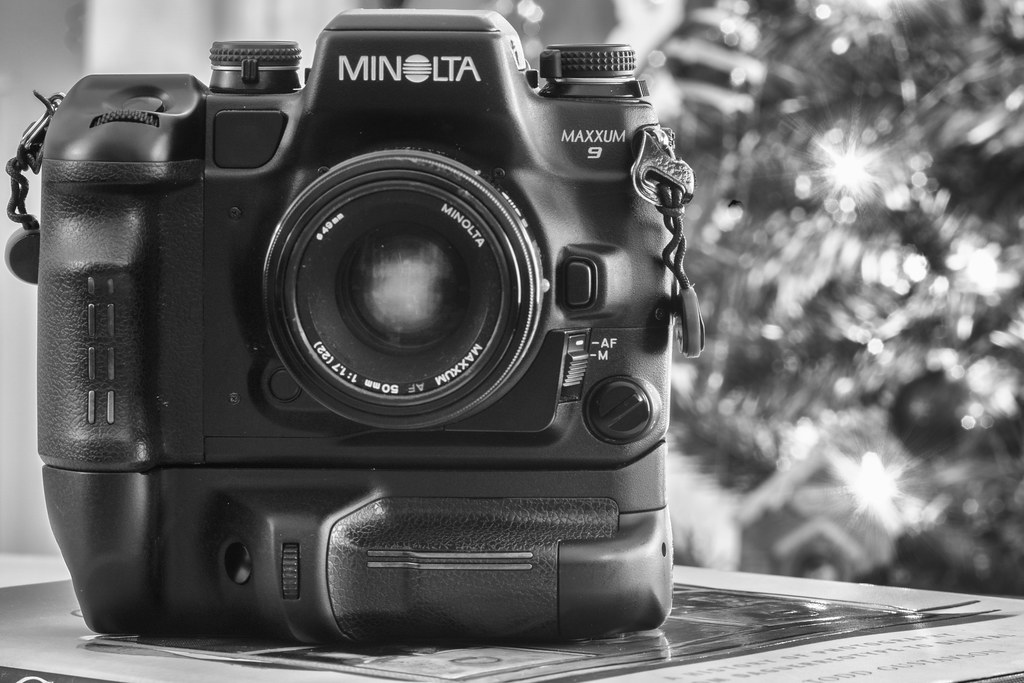
Minolta Maxxum 9 – You are probably surprised to find this camera here, but I can say that I didn’t add this camera because of a review, I added it because I needed to replace my Maxxum 7000 and decided to jump on a good deal on a ‘9 plus the grip. This camera has to be my favourite looking of all the Minolta cameras, it looks so much different from other cameras of the era with the flat pentaprism and move back to more physical controls. Plus it is a heavy-duty camera with a blisteringly fast shutter speed.
Sony a6000 + AI-S Nikkor 105mm 1:2.5
Cameras I want to revisit/give a second chance to
After doing this for ten years there are still some cameras that I feel my review of them did a disservice, while that list is certainly longer than only three cameras, here are my choices for cameras that I most strongly desire to get my hands on and revisit to do a proper update of the written reviews and even take them out for a spin on the small screen (YouTube). There are two others that I will give an honourable mention to and these include the Yashica FR-1, Pentax MG and Pentax Spotmatic. Again both capable cameras that I used wrong or had a bad copy of but have no real desire to take them out again.
Argus C3 – In terms of cameras that I was never happy with the initial review, it’s the Argus C3. This is an iconic American-Made camera that came out in the mid-century, and I’ll admit my first go around with the camera was not the best mostly because I did not know what I was doing and gave up after tearing apart a couple of rolls. I should have read the friggin’ manual on this one. Also as a camera it holds an important part in the history of photography as it gave people another option to Kodak within the American manufacturing sphere. Plus they may not be the best looking camera. But honestly, this review will need a total redo.

Sony a6000 + Konica Hexanon AR 50mm F1.7
Canon EOS-1n – Alright so in this case, it may not be the EOS-1n that gets revisited, if anything I would want to take on any of the EOS-1 bodies from the original 1 to the last 1v to revisit the first ‘pro’ EOS bodies produced by Canon. I think it would make for a nice round out and even maybe a shot-for-shot comparison between the EOS-1, F5 and Maxxum 9. I haven’t taken any serious look into borrowing/buying one of these cameras yet, but they are on my wishlist.

Sony a6000 + Konica Hexanon AR 50mm F1.7
Leitz Leicaflex R3 Electronic – I feel I did this camera a great injustice by not having the proper lenses here. The R3 is designed to use the modern 3-Cam glass to properly use all the features the camera has to offer. And I think it would also make for a great companion piece to my review of the XE-7. Plus the R-Mount lenses are brilliant, I’ve used the 2-Cam lenses both on the R3 and the SL2 and they stand up to the quality that comes from Leitz optics. THe only trouble is that a kit is hard to come by especially ones with three-lenses, wide, normal, and a portrait/short telephoto.
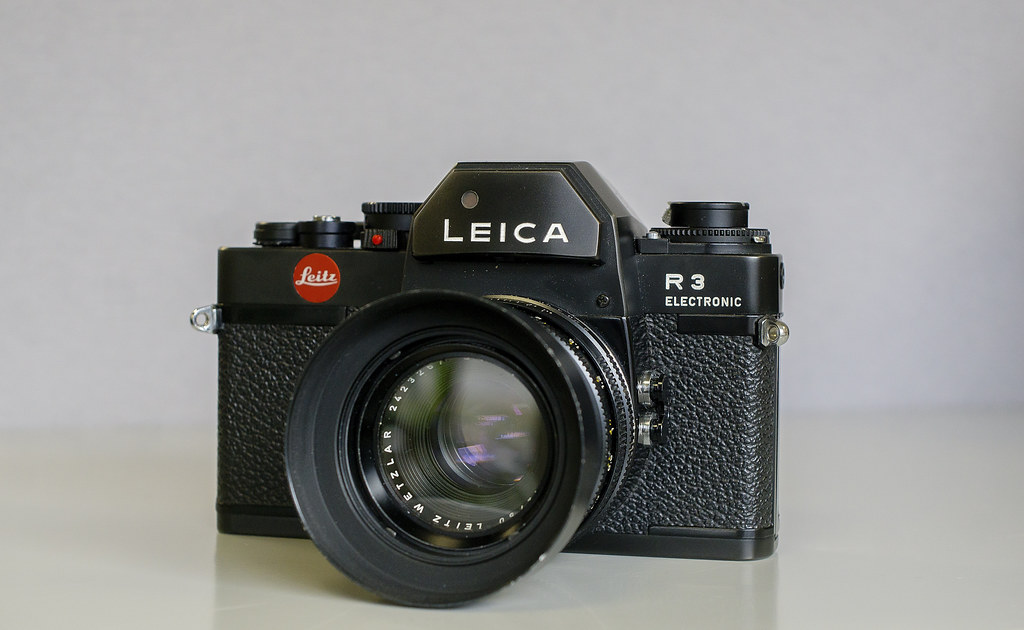
Sony a6000 + Konica Hexanon 1:2.8 f=35mm
Cameras I regret parting with
Allt he cameras on this list should come as no surprise. And while I do regret getting rid of them, I don’t plan on replacing them any time soon unless I can score a good deal! The one of these that hurts the most is the FM2n, only because the folks I gifted it to turned around and sold it in less than a month.
Nikon F2 Photomic – I have this strange relationship with mechanical cameras, I like them but they also don’t stay in my toolkit, the F2 is a prime example I got a sweet deal on an F2 Photomic, but I never kept it in a purge about three years back now, I only regret it a little bit. And that is only having the chance to use one again recently. Will I get another F2, if I can find the right model for the right price.

Nikon FM2n – I should have never given this one up, I got it for a steal before the prices went through the roof. If there is one camera in this group that I want back it is the FM2n, I would even settle for a plan FM2 at this point in two-tone appearance. It would make for a great partner to my FE2. It is simple, easy to use and compact plus I have that massive lens collection already.

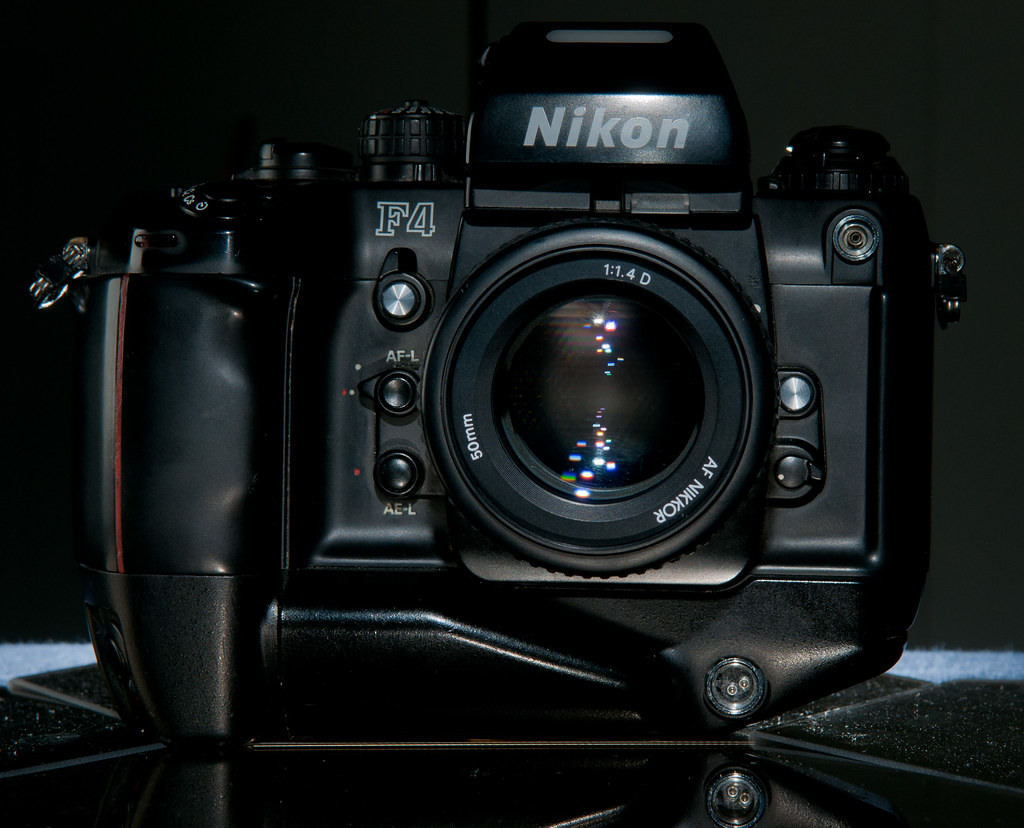
Nikon F4 – Okay so this is the one camera that if I’m offered one for free I won’t turn it down but I won’t actively seek out purchasing one. The F4 is a want, not a need, the autofocus is slow, it is heavier than my F5 and they tend to break. But you can’t go wrong with the radical change in camera design between the F4 and the F3. Again this went to another photographer who is having a blast with the camera so I don’t regret parting with it too much.
Before I wrap this up I have to give credit where credit is due and that’s to my friend Mike Eckmann. It seems that our journeys in writing camera reviews start off around the same time, 2015, and for a few years travelled on parallel paths, but eventually unlike true parallel paths they did cross. And after my 100th camera review I made the conscious effort to take a page from Mike’s book and started to expand my camera reviews. I started looking into the history of the camera and adding a lot of context. And often I would turn to Mike’s site because he had already done most of the hard work! Like Mike I have become a victim of my success, and in the early years of writing these I exhausted a pile of cameras and film stocks. Thankfully I do have a plan for next year to put efforts into retesting films to see how far I can take it, and if an interesting camera crosses my path I can drum up a review, while working on updating all my past reviews to bring them up to spec for my current methodology.